Who is Pham Nhat Vuong, Chairman of Vingroup    Vinfast EV, richest man in Vietnam by Forbes fortune ranking?

04.05.23 07:32 AM - Comment(s) - By Tam Huynh

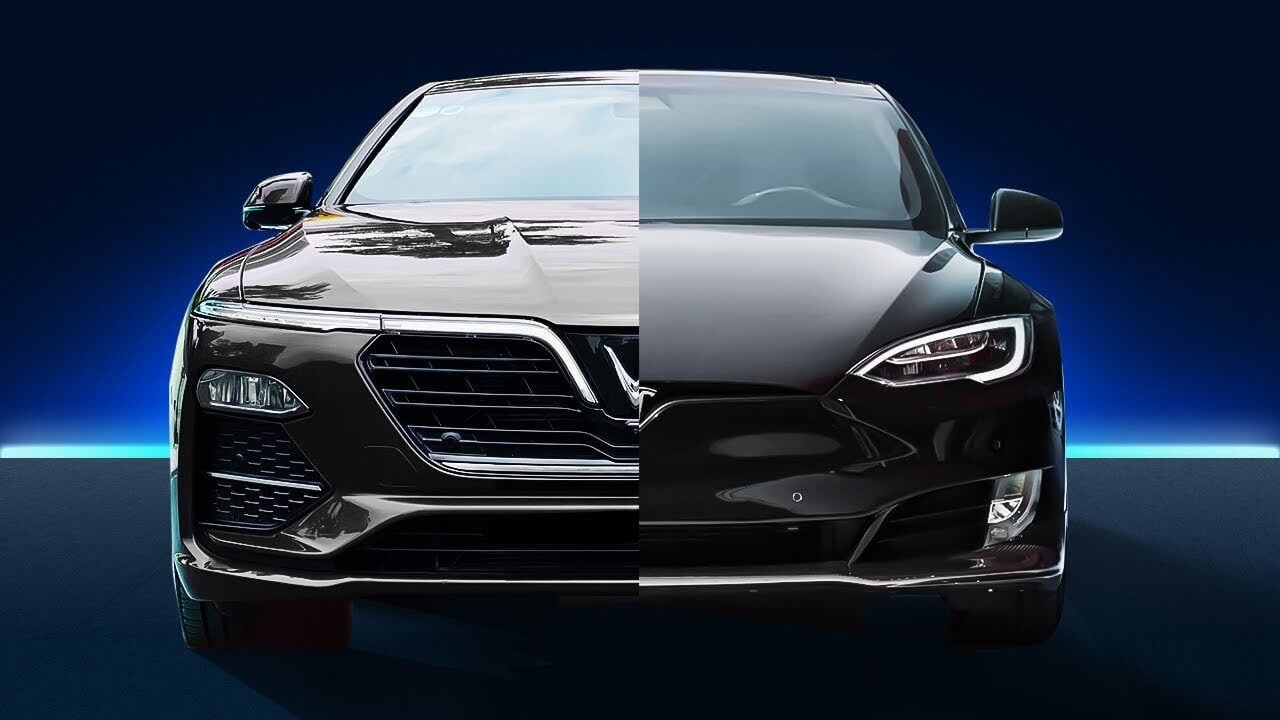
Is calling Vingroup Chairman Pham Nhat Vuong "the Elon Musk of Vietnam" a misleading comparison?

Vingroup-Vinfast Pham Nhat Vuong Vs Tesla-SpaceX Elon Musk

Pham Nhat Vuong, the billionaire founder and chairman of Vingroup, is frequently mischaracterized as the Elon Musk of Vietnam. Unlike Musk, who expanded through fiercely contested industries, Vuong achieved his immense wealth by leveraging exceptional access to real estate and government approvals within a centralized economy. Through flagship ventures like Vinhomes and VinFast, his conglomerate serves as a strategic instrument for national modernization rather than a typical private enterprise. However, foreign investors evaluating these operations must navigate opaque early financing, unusually rapid project timelines, and unique regulatory risks. Ultimately, while Vingroup acts as a domestic champion, its global expansion faces intense challenges in competitive international markets.

WHAT IS VINGROUP - WHO IS HIS CEO?

Vietnam · Conglomerates · Investor briefing

Who is Pham Nhat Vuong?

The chairman of Vingroup and founder of VinFast is often called the Elon Musk of Vietnam. For expat investors, that comparison hides more than it explains.

Start here

Three naive questions every expat investor should ask

You land in Vietnam and see Vincom malls, Vinhomes towers, Vinpearl resorts and Landmark 81 over Ho Chi Minh City.

Locals joke: "Welcome to VinVietnam."

Before comparing him with Silicon Valley, ask three simple questions.

What was his original source of wealth, in Russia, then Ukraine, then back in Vietnam?

On the record

Instant noodles. Technocom and its Mivina brand in Ukraine in the 1990s, later sold to Nestlé, then a return to Vietnam.

Still thin

How a post-Soviet noodle business became the capital for a national property empire. The early financing, partners and the route across three countries are poorly documented.

Who were his backers when he came back around 2003, and why did land and fast-lane stamps follow?

On the record

Vinpearl's first resort on Hon Tre island, Nha Trang, opened in 2003. Since then Vingroup has secured large urban parcels, including former state and military land in Ho Chi Minh City, plus islands and riverfront.

Still thin

Who stood behind these allocations, and on what terms. Investors in my network see the terms as unusually favourable. Public detail is scarce.

Why does Mr Vuong not travel abroad, even for the VinFast Nasdaq launch?

On the record

VinFast listed on Nasdaq in August 2023 without its founder on stage. He gives very few interviews. As of my 2023 review, his name was hard to find on Vingroup's own websites.

Still open

Whether it is discretion, preference or something else. A founder who skips the biggest moment of his own listing is a fair question for any investor.

I do not claim to have the answers and I am not alleging wrongdoing. These are the questions fund managers ask in private, and they deserve a public airing.

The comparison

Why "Vietnam's Elon Musk" is the wrong comparison

Editor's reading, not a ranking
Elon MuskPham Nhat Vuong
Growth came fromCars, rockets and software, sold into contested markets.Real estate and hospitality inside Vietnam, then VinFast.
CapitalGlobal public markets and shareholders.Domestic property cash flow, bonds and founder injections, including a US$2.5 billion commitment to VinFast in April 2023.
Public profileLoud and constant on social media.Private. Rare interviews and little presence on group websites.
Home advantageNone guaranteed.Land, licences and approvals at a pace foreign investors rarely see.
Hardest testCompeting with entrenched rivals everywhere.VinFast in the US, Europe and Southeast Asia, where access does not help.

Vingroup's flagship model is Vinhomes. It builds whole districts of 40-floor towers with an ecosystem attached: Vinmec hospitals, Vinschool and VinUni, Vincom retail and Vinpearl resorts. Typically it does this within a few years.

That speed is what impresses foreign investors, who often wait years for a single factory or building licence. My view is that Vingroup's edge has been better access, not a better product.

VinFast is the first real test in markets where access does not help. Its early years brought heavy losses, delays and repeated capital from the founder, a sharp contrast with his February 2023 announcement that he would stop putting personal money into the venture.

Parts of the early story have since changed. Vingroup has exited consumer businesses such as phones and supermarkets and refocused on real estate, EVs and technology. Ho Chi Minh City's Metro Line 1, which I used to joke had been unfinished since 2008, finally opened in late 2024.

Land and licences

The stamps every project in Vietnam has to collect

Sector ministryConstructionArchitectureUrban planningEnvironmentElectricityWaterFire department

Any expat investor who has tried a project of a few thousand square metres knows the sequence. Land-use rights negotiations come first. Then comes the long chase for ministry stamps, each with its own fees, ending only when the fire department certifies the last brick.

Five years is a common timeline for a foreign investor to get licences and finish a single factory or building. Vingroup delivers districts and island resorts in under five years from idea to keys. Ask yourself what that gap is worth, and what it says about who is standing behind the stamps.

In Ho Chi Minh City, parts of the group's footprint sit on former military shipyard land at Ba Son. Placed on a map of Paris, it would be like giving one developer about six kilometres of Seine riverbank and two kilometres inland.

The strategic reading

Vingroup as a tool of Vietnam's economic modernization

Vietnam runs a socialist-oriented market economy under a Communist Party that favours public or state ownership of the major means of production, combined with centralized, state-directed planning. State-owned enterprises have long lagged on tax contribution, productivity and training skilled workers.

Vietnam's national motto, Independence, Freedom, Happiness, offers a lens. Selling the economy to foreign funds is not an option. A factory worker has fewer choices than a software engineer. Citizens expect rising salaries.

Seen this way, Vingroup looks like a strategic instrument. Put land, capital and approval speed behind one private champion, and the state gets visible modern infrastructure, skilled jobs and a flag-bearer for Vietnamese technology, without privatizing the commanding heights.

The model is chaebol-style, like Samsung in Korea. The results differ.

Samsung in Vietnam

Industry first

  • Vietnam's number one tax contributor.
  • Exports electronics made in Vietnamese plants.
  • Anchors supplier networks and an industrial cluster.

Vingroup in Vietnam

Property first

  • Real estate enriched the group and the Vuong family.
  • Property sells quickly but does not build a supply chain.
  • Nationwide infrastructure, industrial clusters and world-class services have not yet arrived at comparable depth.

The question for investors is whether VinFast, VinUni and the technology arms can move from privileged access to genuine global competitiveness.

Frequently asked

Pham Nhat Vuong and Vingroup: your questions

Who is Pham Nhat Vuong?

Pham Nhat Vuong is the founder and chairman of Vingroup, the Vietnamese conglomerate behind Vinhomes, Vinpearl, Vincom and VinFast. He has long ranked as the richest person in Vietnam on Forbes lists.

Is Pham Nhat Vuong the Elon Musk of Vietnam?

No. Elon Musk built companies in open, competitive markets and answers to global regulators and shareholders. Vingroup grew mainly through real estate, with exceptional access to land and approvals inside Vietnam. VinFast is its first real test abroad.

How did Pham Nhat Vuong become rich?

Through the Technocom group's instant-noodle business in Ukraine in the 1990s, then through real estate in Vietnam from the early 2000s under the Vincom, Vinpearl and Vinhomes brands. The early financing is the part public sources explain least.

Who owns Vingroup?

Pham Nhat Vuong is the founder, chairman and largest shareholder, alongside family members and other holders.

Is VinFast a Vietnamese company?

Yes. VinFast is backed by Vingroup, has its main factory in Hai Phong and has been listed on Nasdaq since 2023.

How is Vingroup different from Samsung in Vietnam?

Both are chaebol-style conglomerates, but Samsung is Vietnam's largest taxpayer and anchors an electronics export and supplier cluster. Vingroup's real estate base has enriched the group and the Vuong family without yet building nationwide infrastructure, industrial clusters or world-class services of comparable depth.

Is Vietnam a good place for foreign investors?

Yes, but approvals, land-use rights and counterparty risk call for local insight and proper insurance cover.

Tam Huynh
Editor-in-Chief of riskinAsia.com. Tech entrepreneur who built businesses in Vietnam, the USA and France, sharing uncensored insider sources and viewpoints for expat professionals and investors.

Opinion and analysis

This article is the author's opinion and analysis, based on public information and conversations with investors. It is not legal, financial or investment advice. Figures and rankings change, so check current sources before you decide.

Tam Huynh

Share -